Joal-Fadiouth is also a major symbol of tolerance and interfaith dialogue, made famous by its mixed cemetery and the peaceful coexistence of Muslims and Christians. Its warm and lively atmosphere offers one of the most authentic experiences in Senegal, blending memory, tradition, and the sincere hospitality of its inhabitants. A living museum of history, the birthplace of Senegal’s first president, Léopold Sédar Senghor, is essential for understanding the soul of the country.
Joal: Fishing Port and Living Memory
A busy port
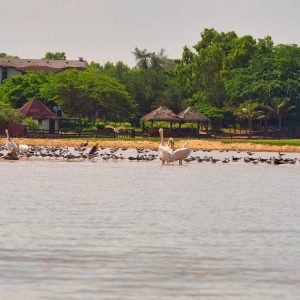
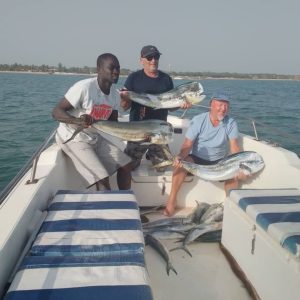
Joal has established itself as one of the main artisanal fishing ports in the country, vital for the region’s entire economy. Colorfully painted pirogues, sailors maneuvering, the shouts of the fish market, the smell of freshly landed fish: every morning, the port becomes a lively scene where fishermen, traders, vendors, children, and artisans all cross paths. Processing, smoking, drying, direct sales, and loading into bush taxis bound for Dakar are all part of this lively spectacle. The town has also developed as a commercial crossroads, shaped by invasions, triangular colonial trade, and several migratory waves of Serer, Mandinka, Toucouleur, and European populations.
Senghor and the Cultural Heritage
Joal-Fadiouth is also the birthplace of poet-president Léopold Sédar Senghor, a major figure of the Négritude movement and a key architect of the Francophonie. His memory is still honored through guided visits to his childhood home, stories passed on by teachers and griots, and numerous cultural tributes (statues, commemorative plaques, exhibitions). The town proudly reflects its multicultural heritage and the peaceful cohabitation of all its inhabitants.
Fadiouth: The Shell Island
An unusual village
Fadiouth is unique in the world due to its composition: the island was not formed naturally, but through the accumulation of shells (oysters, clams, etc.) discarded by generations of fishermen and gatherers since ancient times—some heaps date back to the 7th century! Walk here and every step crunches across several meters of white shells, under sunlight or festive lanterns. The streets, courtyards, traditional homes, enclosures, and markets are all covered with this raw material, which has even been used to build walls and foundations.
The wooden bridge
To reach Fadiouth from Joal, one must cross a wooden bridge nearly 600 meters long (built in 2006), stretching above the mangrove and lagoon, often accompanied by donkey carts, porters in traditional clothing, or children returning from school. The pedestrian-only, picturesque bridge marks the beginning of a “journey through time”: the island is entirely car-free.
The mixed cemetery
The famous cemetery island facing Fadiouth is emblematic of Senegal’s religious coexistence. Muslims and Christians rest side by side, without visible separation, under shell-covered crosses and engraved headstones, surrounded by sacred trees. This harmony, rare even in Africa, is a living example of tolerance and community unity.
The grain silos on stilts
In the northwest of the island, dozens of millet granaries on stilts stand above the mangrove. Built to protect harvests from rodents, rising waters, and humidity, these structures give Fadiouth a photogenic charm. The ideal time to admire them: early evening, when the sky’s colors reflect in the water and migratory birds begin returning to their nests.
Local Life and Serer Traditions
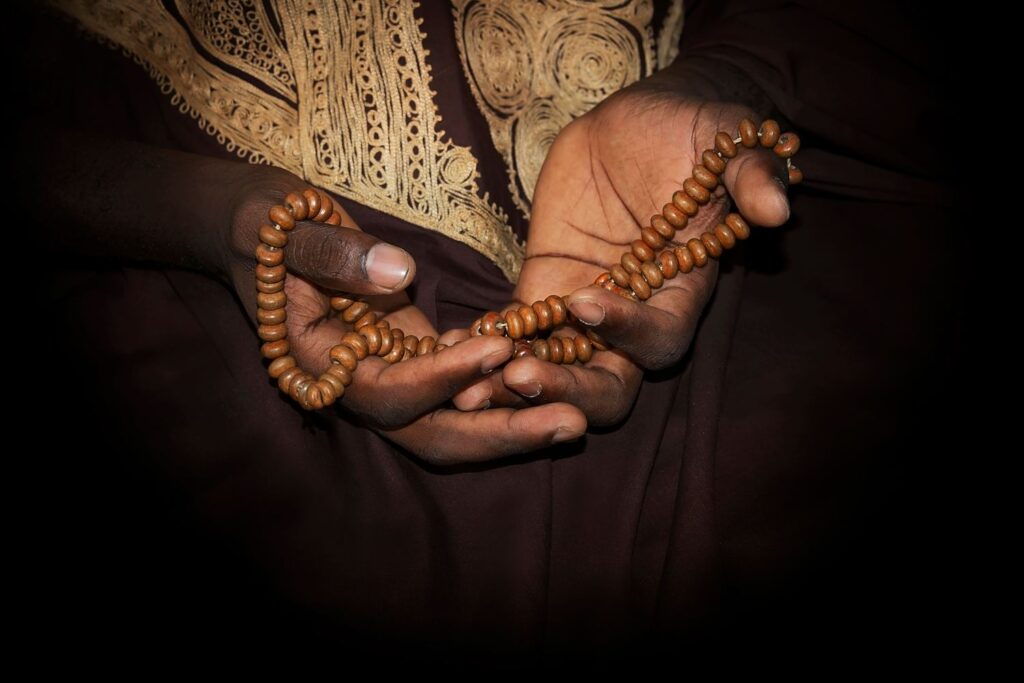
Fadiouth is predominantly inhabited by the Serer people, proud of their identity, ancestral animist rituals, and lifestyle. Here, craftsmanship, music, storytelling, peanut farming, and livestock coexist in the pure tradition of village societies. Jewelry, shell necklaces, sculptures, basketry, and musical instruments are made on-site, right on the street or in small family workshops. The village church hosts masses and grand polyphonic chants, while the mosque by the beach marks the rhythm of the day. Ceremonies (harvest festivals, Christmas, weddings…) offer visitors an impressive mix of Serer dances, songs, drums, and storytelling under the stars.
Excursions Around Joal-Fadiouth
Thanks to its location between the Petite Côte and the Sine-Saloum, Joal-Fadiouth is a perfect complement to a stay in the region:
- Saly / Somone (1h–1h30): beaches, water sports, nightlife.
- Popenguine (45 min): hiking, nature reserve, cliffs.
- Sine-Saloum (to the south): exploration of bolongs and mangroves by pirogue, birdwatching, Serer villages.
What to Do in Joal-Fadiouth?
- Cross the wooden bridge—the walk from Joal to the island, at sunrise or sunset.
- Stroll through the narrow streets of Fadiouth and discover daily life on a shell-covered ground.
- Visit the mixed cemetery and reflect on the message of tolerance shared by every tomb.
- Admire the grain silos on stilts, visit the mangrove, or follow pirogues on the lagoon.
- Explore Joal’s fishing port and watch the boats come back.
- Follow Senghor’s life, his memorial sites, and understand the influence of the Négritude movement.
- Wander the market, talk with artisans, and listen to storytellers in the village square.
Local Anecdotes
- According to locals, the origins of Fadiouth date back to the flight of the Almoravids in the 11th century, but some also see the layers of shells as proof of the legendary appetite of the Serer people… and of French missionaries who came in 1636 to “break the oyster soup record.”
- On Christmas Eve, mass is sung entirely in Serer and continues outdoors, accompanied by call-and-response songs and handmade lantern contests.
- Legend says each stilted granary has an invisible guardian watching over the harvest—and well-behaved children can leave an offering to ensure good studies.
- Children often play “who will bring back the prettiest shell of the day”—the best collections are sometimes displayed during school festivals.
- Exchanging greetings in Fadiouth happens not only in French and Serer but sometimes… in a whistled language inherited from granary guardians, used so that birds wouldn’t understand human secrets!
Practical Information – Joal-Fadiouth
- Access: 2h15–2h30 from Dakar via the national road (taxi, bus, private car); parking in Joal, then pedestrian access via the bridge.
- Accommodation: Several simple guesthouses and small family lodgings.
- Services: Covered market, port, local guides, direct-sale crafts, fish restaurants.
- Local life: Recommended vaccinations (mosquitoes in the mangrove), warm weather year-round (bring hat and water), lively village atmosphere, festivities according to the Christian calendar (Christmas) or local agricultural celebrations.
- Best time to visit: Dry season from November to May.
Questions fréquentes
Why is Fadiouth called the Shell Island?
Because it was artificially formed by the accumulation of shells, which cover all the grounds—even cemeteries and markets.
How to get to Joal-Fadiouth?
Paved road from Dakar; crossing the wooden bridge (about 10 minutes on foot); cars remain in Joal.
Ideal visit length?
Half a day for the island, a full day to combine the port, the village, crafts, and Senghor’s heritage.
Cultural specificities?
Mixed cemetery, oral tradition, shell-based crafts, exemplary religious coexistence.
Can you stay overnight?
Yes: guesthouses and small inns; many visitors come on day trips from Saly or Somone.